A floor can look great in the showroom and still be the wrong choice for your home. That is usually where people get stuck. If you are trying to figure out how to choose flooring material, the real question is not just what looks best – it is what will hold up to your routine, your space, and your expectations a few years from now.
In Charlotte-area homes, flooring decisions usually come down to a mix of appearance, durability, maintenance, and budget. Families want something that can handle daily traffic. Pet owners worry about scratches and cleanup. Business owners need a professional finish that still performs under pressure. The right answer depends on how the space is used, not just what is trending.
How to choose flooring material for the way you live
Start with the room itself. A flooring material that works beautifully in a bedroom may not be the best fit for a kitchen, entryway, or lower level. Moisture exposure, foot traffic, sunlight, and the amount of daily wear all matter.
If you have kids, pets, or a busy household, durability should move higher on your list. If you are updating a formal living room or a low-traffic office, appearance may carry more weight. For commercial spaces, consistency, easy maintenance, and installation timing often matter just as much as style.
This is why a guided selection process helps. Flooring is not one-size-fits-all, and the best value is not always the lowest upfront cost. Sometimes spending more on the right material saves you from early replacement, repairs, or constant upkeep.
Start with your top three priorities
Before comparing materials, get clear on what matters most to you. For most property owners, the decision usually comes down to three things: how the floor looks, how it performs, and how much maintenance it requires.
If you want a premium, long-lasting finish with strong resale appeal, hardwood often stands out. If you want water resistance and easy care, vinyl plank may be the better fit. If softness and comfort matter most in a bedroom, carpet may still make sense. Tile works well where moisture and heavy use are concerns, while laminate can offer a clean look at a more accessible price point.
Once you know your top priorities, it becomes much easier to narrow the options without feeling overwhelmed.
Budget matters, but so does long-term value
Many homeowners start with price per square foot. That is understandable, but material cost alone does not tell the full story. You also need to think about installation, subfloor preparation, lifespan, and future maintenance.
For example, solid hardwood generally costs more upfront than laminate or carpet, but it can last for decades and may be refinished instead of replaced. LVP is often more budget-friendly and highly practical, especially in active households. Tile can be extremely durable, but labor costs may be higher depending on layout and prep work.
A cheaper floor that wears out quickly can become more expensive over time. A better question is this: what do you want this floor to deliver over the next 5, 10, or 20 years?
Comparing the most common flooring options
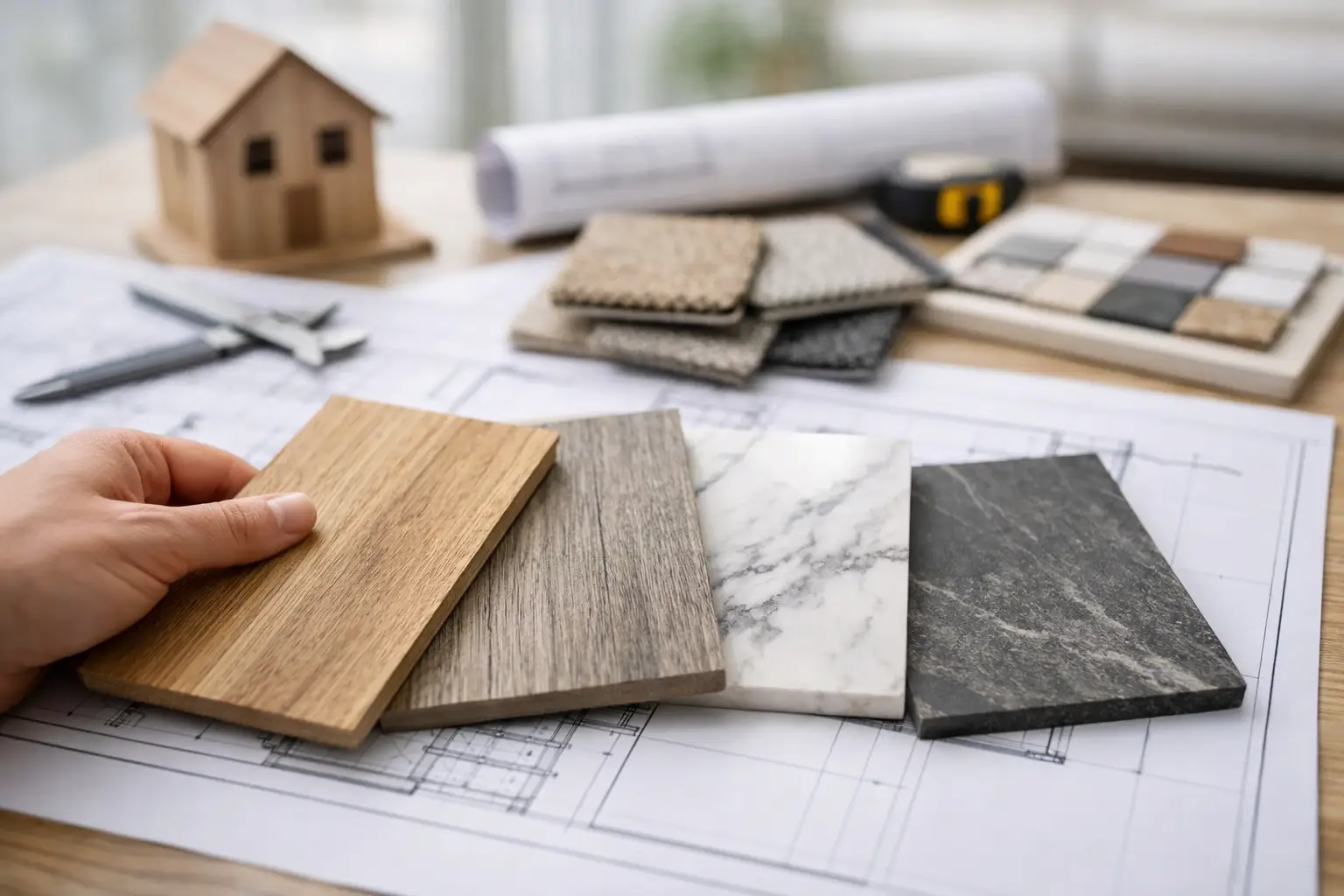
Each material has strengths and trade-offs. The best choice depends on the room, your budget, and how much maintenance you are comfortable with.
Hardwood flooring
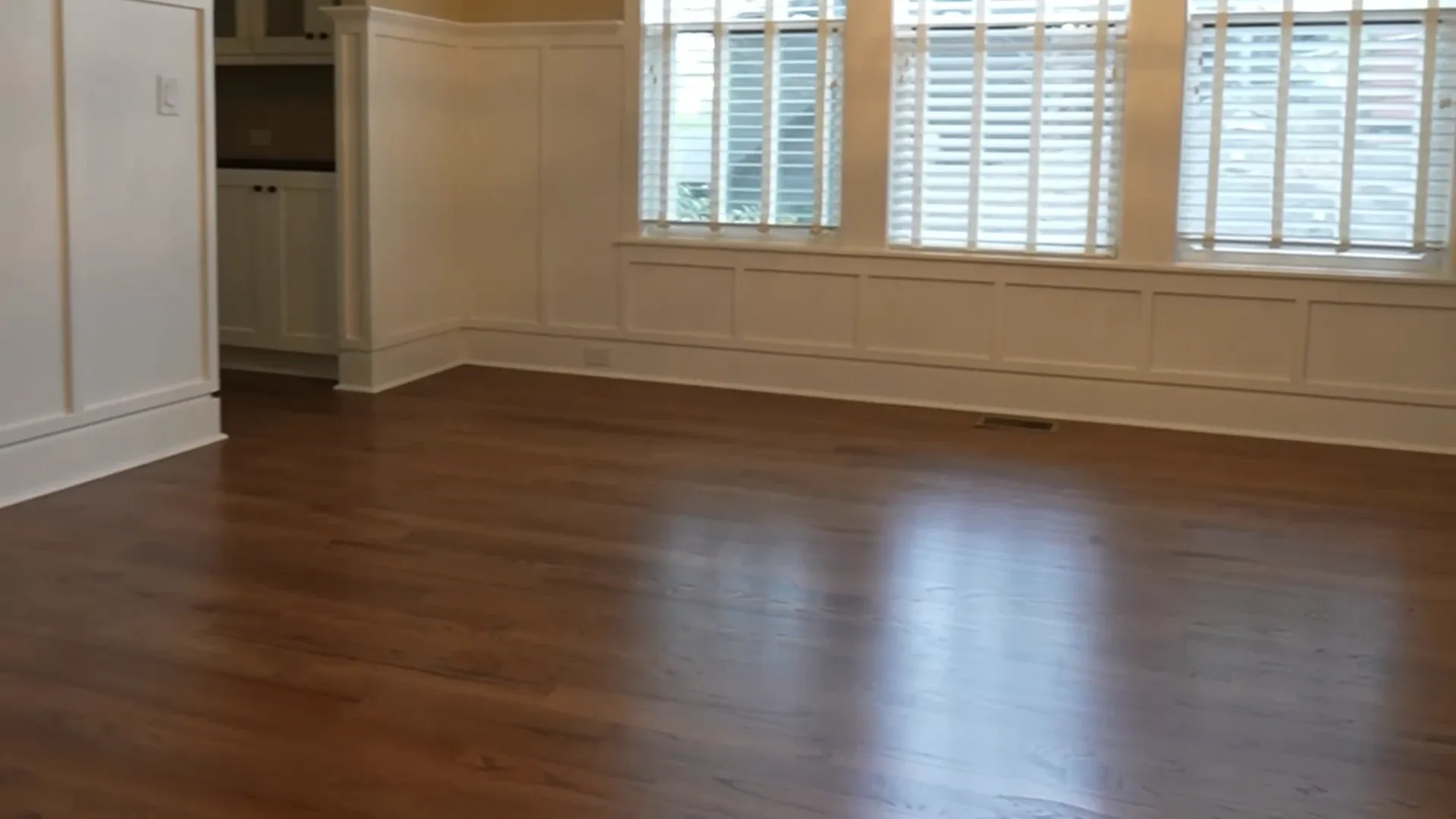
Hardwood is a strong choice for homeowners who want timeless style, long-term value, and a natural finish that adds warmth to the space. It is especially popular in main living areas, dining rooms, hallways, and bedrooms.
Its biggest advantages are appearance, durability, and the ability to refinish it over time. That makes it a smart investment for many homes. The trade-off is that hardwood is more sensitive to moisture than some other materials, and it can show wear in high-traffic areas if the wrong species or finish is selected.
For customers who want a premium result and care about craftsmanship, hardwood remains one of the best flooring choices available.
Luxury vinyl plank and vinyl flooring
LVP has become a go-to option for good reason. It handles moisture well, is easy to maintain, and gives homeowners a wide range of looks, including wood visuals. It is often used in kitchens, bathrooms, laundry rooms, basements, and busy family spaces.
The practical appeal is hard to ignore. It is comfortable underfoot, generally easier on the budget than hardwood, and works well for households that need performance first. The trade-off is that while high-quality vinyl can look excellent, it does not offer the same natural character or refinish potential as real wood.
Laminate flooring
Laminate is another practical option for homeowners who want the look of wood with a lower upfront cost. It often performs well in moderate-traffic areas and can be a good fit for bedrooms, offices, and some living spaces.
Today’s laminate products are better than many people expect, but quality can vary. Some options are more resistant to scratches and wear than others. Moisture tolerance also depends on the product. It is worth paying attention to the specifications instead of assuming all laminate performs the same.
Tile flooring
Tile is one of the most durable materials on the market and an excellent fit for wet or high-use areas. Bathrooms, mudrooms, kitchens, and commercial settings often benefit from tile because it handles water and wear so well.
The main trade-off is comfort. Tile can feel hard and cold underfoot, and installation is more specialized. Still, if your priority is durability and low maintenance in moisture-prone areas, tile is hard to beat.
Carpet
Carpet still has a place, especially in bedrooms, bonus rooms, and spaces where softness and sound control matter. It can make a room feel warmer and more comfortable right away.
That said, carpet is not ideal for every household. It tends to hold onto dust, allergens, and stains more than hard-surface flooring. In homes with pets or heavy traffic, replacement may come sooner than with other materials.
Think about maintenance before you commit
One of the biggest mistakes people make is choosing a floor based only on appearance. Every material has a maintenance profile, and it should match your lifestyle.
Hardwood needs the right cleaning products and some care around moisture. Carpet needs regular vacuuming and occasional deep cleaning. Tile is low-maintenance overall, but grout may need attention. LVP is one of the easiest options to care for day to day.
If you want a floor that looks polished without much effort, be honest about how much maintenance you are realistically willing to do. The best flooring choice is one you will still be happy with after the excitement of installation wears off.
Consider subfloor conditions and installation needs
Not every flooring material works equally well over every surface. Subfloor condition, levelness, moisture content, and room transitions can all affect the final result.
This is one reason professional guidance matters. A product may be technically suitable for a room, but the installation requirements could change the budget or the timeline. Some floors need more prep. Others may require moisture barriers, underlayment, or specific acclimation conditions.
A proper on-site assessment helps avoid surprises. It also gives you a more accurate sense of what the finished project will involve.
How to choose flooring material without second-guessing yourself
If you are narrowing down options, ask yourself a few practical questions. Where will this floor get the most wear? Is moisture a concern? Do you want the ability to refinish later? Are you trying to match existing flooring in other rooms? Is comfort underfoot a priority? Are you choosing for your forever home, a rental, or a resale update?
Those answers usually point you in the right direction faster than browsing samples for hours.
For many homeowners, the best path is to compare two strong options instead of five or six. That makes the decision clearer and keeps the process focused on what matters most.
A good flooring decision balances style and performance
The best-looking floor is not always the best floor for the room. At the same time, the most durable option is not always the one that gives you the finish you want. A smart choice balances both.
That is why a consultative approach matters. At HD Hardwood Floors, we see customers make better decisions when they can talk through the space, compare materials in person, and understand the trade-offs clearly. That kind of guidance helps you choose with confidence, not guesswork.
If you are deciding between hardwood, laminate, vinyl, carpet, or tile, focus on the bigger picture. Think about how the room functions, how much wear the floor will take, and what kind of result you want to live with every day. The right floor should not just fit your budget – it should fit your life.
A good flooring choice feels right long after installation day, because it keeps doing its job while making the space look better every time you walk in.