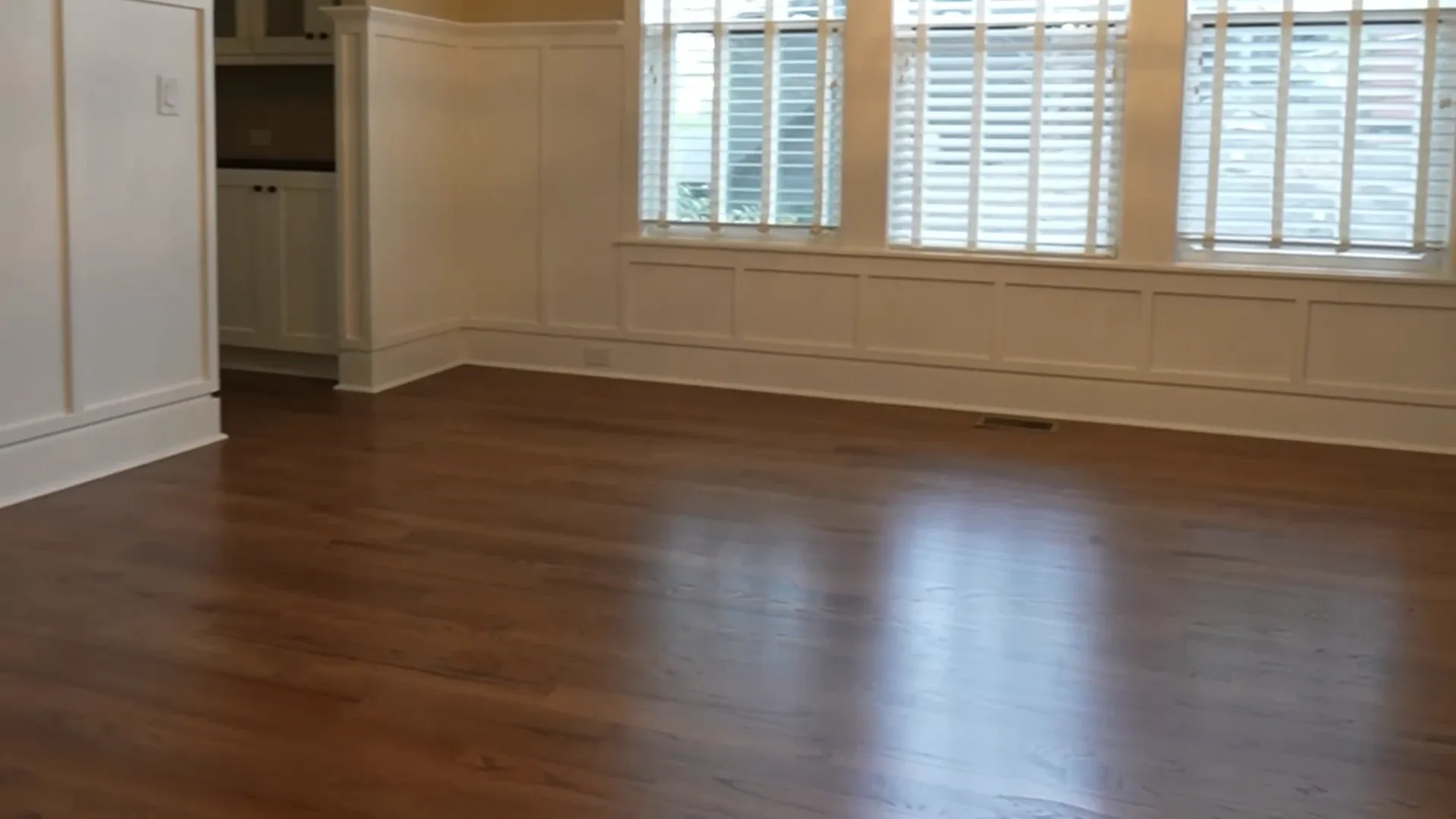
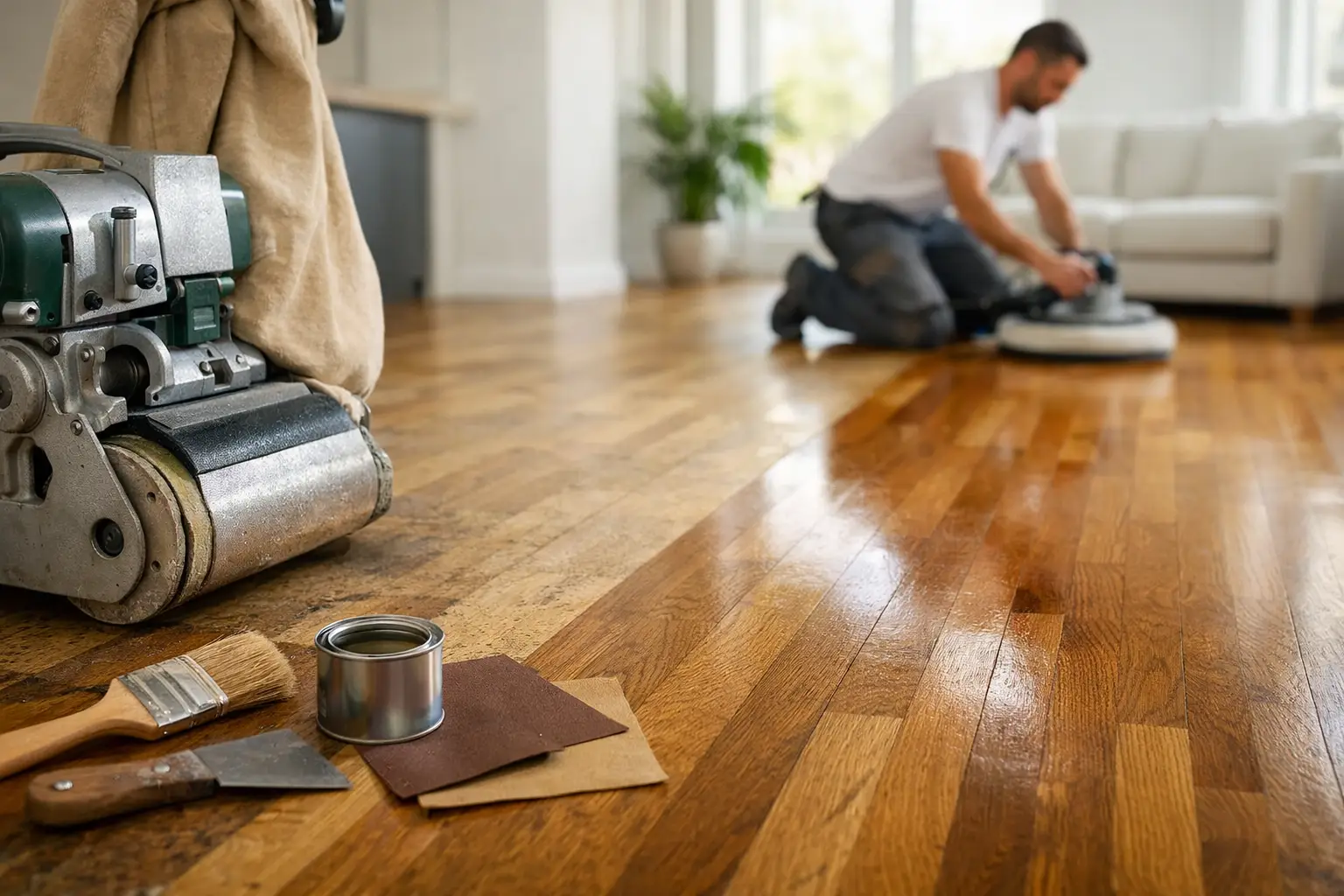
A hardwood floor can look fine from across the room and still be telling you it needs attention. The question of when to refinish hardwood floors usually comes up after homeowners notice dull traffic paths, scratches that keep multiplying, or a finish that no longer protects the wood the way it should.
If that sounds familiar, timing matters. Refinish too early and you may spend money before it is necessary. Wait too long and simple wear can turn into deeper damage, which often means more repairs, more dust control, and more disruption. The right decision starts with knowing what the floor is actually showing you.
When to refinish hardwood floors: the clearest signs
The most obvious sign is wear in high-traffic areas. Hallways, kitchens, entryways, and the path between the sofa and the kitchen usually show problems first. If the finish looks faded, cloudy, or worn down in those areas while the edges of the room still have some sheen, the protective layer is likely breaking down.
Scratches are another common clue, but not all scratches mean the same thing. Light surface marks in the finish may not require a full refinish right away. Deeper scratches that cut into bare wood are different. Once raw wood is exposed, it becomes more vulnerable to moisture, staining, and dirt that settles below the finish.
Discoloration also matters. Sunlight can lighten some areas and darken others over time, especially in rooms with large windows or rugs that stay in place for years. Pet stains, water spots, and black marks near plant stands or doorways can point to damage that goes beyond appearance. If the color variation is in the wood and not just on the surface, refinishing may be the best way to restore a consistent look.
Then there is the feel of the floor. If boards seem rough underfoot, if the finish is flaking, or if cleaning never seems to bring back a fresh appearance, that usually means the top layer is no longer doing its job.
Wear and age are not the same thing
Many homeowners ask how often hardwood floors should be refinished, expecting a simple number. In reality, it depends on the species of wood, the quality of the original finish, household traffic, pets, kids, cleaning habits, and sun exposure.
A well-finished floor in a low-traffic home may look great for more than a decade. A busy household with large dogs, grit tracked in from outside, and constant use may see visible wear much sooner. That is why age alone is not the best guide. A seven-year-old floor can need more attention than a fifteen-year-old floor if the conditions are harder on it.
For Charlotte-area homes, humidity swings can also play a role. Seasonal expansion and contraction do not always mean a floor needs refinishing, but they can make existing wear more noticeable and sometimes expose small gaps or edge wear that homeowners had not paid attention to before.
When a screen and recoat may be enough
Not every worn-looking floor needs to be sanded down to bare wood. If the finish is dull or lightly scratched but the wood itself is still protected, a screen and recoat may be the smarter option.
This process lightly abrades the existing finish and adds a new coat on top. It refreshes appearance, restores some sheen, and adds protection without the full process of deep sanding. It is often a good fit when there are no deep gouges, no widespread bare wood, and no serious stain penetration.
This is one of the biggest reasons not to wait too long. Floors that are maintained at the right time often have more options. Once damage reaches the wood, the lighter maintenance route may no longer be enough.
Signs you need full sanding and refinishing
A full refinish is usually the right move when surface-level maintenance will not solve the real problem. That includes widespread finish failure, deep scratches, color inconsistency, old stain that no longer suits the space, or visible wear through to bare wood.
Water damage can push a floor into this category too. Minor spotting may be manageable, but cupping, dark staining, or boards that have absorbed moisture often need a closer evaluation. In some cases, individual board repair should happen before refinishing starts.
You may also want full refinishing if you are updating the look of the home. Homeowners often refinish before listing a property, after buying an older home, or during a renovation when cabinets, paint, or trim are changing. Hardwood flooring has a major effect on how clean, bright, and well-kept a space feels. A fresh finish can change the room more than many people expect.
How to tell if your floor can still be refinished
Not every hardwood floor can be refinished indefinitely. Solid hardwood generally allows for multiple refinishes over its lifespan because the wear layer is thicker. Engineered hardwood depends on the thickness of the top veneer. Some engineered products can be refinished once or twice, while others are too thin for full sanding.
Floor thickness is not something most homeowners can judge accurately from the surface. Neither is the amount of previous sanding that may already have been done. That is where a professional site inspection helps. A trained eye can usually tell whether the floor is a good candidate for refinishing, repair, recoating, or replacement.
This matters because the wrong approach can create avoidable problems. Over-sanding an older floor can weaken it. On the other hand, replacing a floor that could have been restored is often an unnecessary expense.
Seasonal timing and household timing
If you are wondering when to refinish hardwood floors from a scheduling standpoint, the best time is usually when you can give the project enough space to be done properly. That means moving furniture, limiting foot traffic, and allowing proper cure time for the finish.
Many homeowners prefer to schedule around vacations, school breaks, move-ins, or larger remodeling work. If you are already painting, updating trim, or changing lighting, refinishing the floors at the same time can make the project more efficient.
Seasonally, refinishing can be done throughout the year when the home environment is controlled properly. Professional planning matters more than chasing a perfect month on the calendar. Temperature, humidity, ventilation, and product selection all affect results, so proper prep and application matter just as much as timing.
Common mistakes homeowners make
The first mistake is waiting until the floor looks badly damaged. By then, the finish may be gone in key areas, and dirt and moisture may already be affecting the wood.
The second is assuming every scratch means total refinishing. Some floors need less invasive work, and a good assessment can save money while still improving appearance and protection.
The third is trying to judge floor condition only by shine. A glossy floor is not always a healthy floor, and a low-sheen floor is not always worn out. What matters is whether the finish is intact and whether the wood underneath is protected.
The last mistake is focusing only on the visible problem and missing the cause. If pet nails, grit from outdoors, furniture movement, or cleaning products are accelerating wear, those issues should be addressed too. A newly refinished floor will last longer when the day-to-day care improves along with it.
What a professional evaluation should include
A proper floor assessment should look at the type of wood, the thickness of the wear layer, the level of finish wear, any water or pet damage, loose or squeaky boards, transition areas, and whether repairs are needed before refinishing.
It should also include a practical conversation about goals. Some homeowners want to restore the original look. Others want a darker stain, a more modern natural tone, or a finish that better fits kids, pets, or commercial traffic. The best recommendation is not just about what the floor can handle. It is about what makes sense for the property, the budget, and how the space is used.
That is where working with an experienced local team makes a difference. Companies like HD Hardwood Floors approach refinishing as part of a full flooring solution, not just a sanding job. That means clearer expectations, cleaner execution, and a result that fits the home instead of forcing a one-size-fits-all answer.
The right time is usually earlier than people think
Most hardwood floors do not fail all at once. They give warnings first – dull paths, thinning finish, stubborn scratches, uneven color, rough texture. Catching those signs early gives you more options and usually a better outcome.
If your floors have started to look tired, the next step is not guessing. It is getting a clear evaluation so you know whether your floor needs a simple refresh, targeted repairs, or a full refinish. A good hardwood floor can last for decades, but only if the finish protecting it gets attention at the right time.